How Social Media Impacts Mental Health: Understanding the Effects on Mind and Well-Being
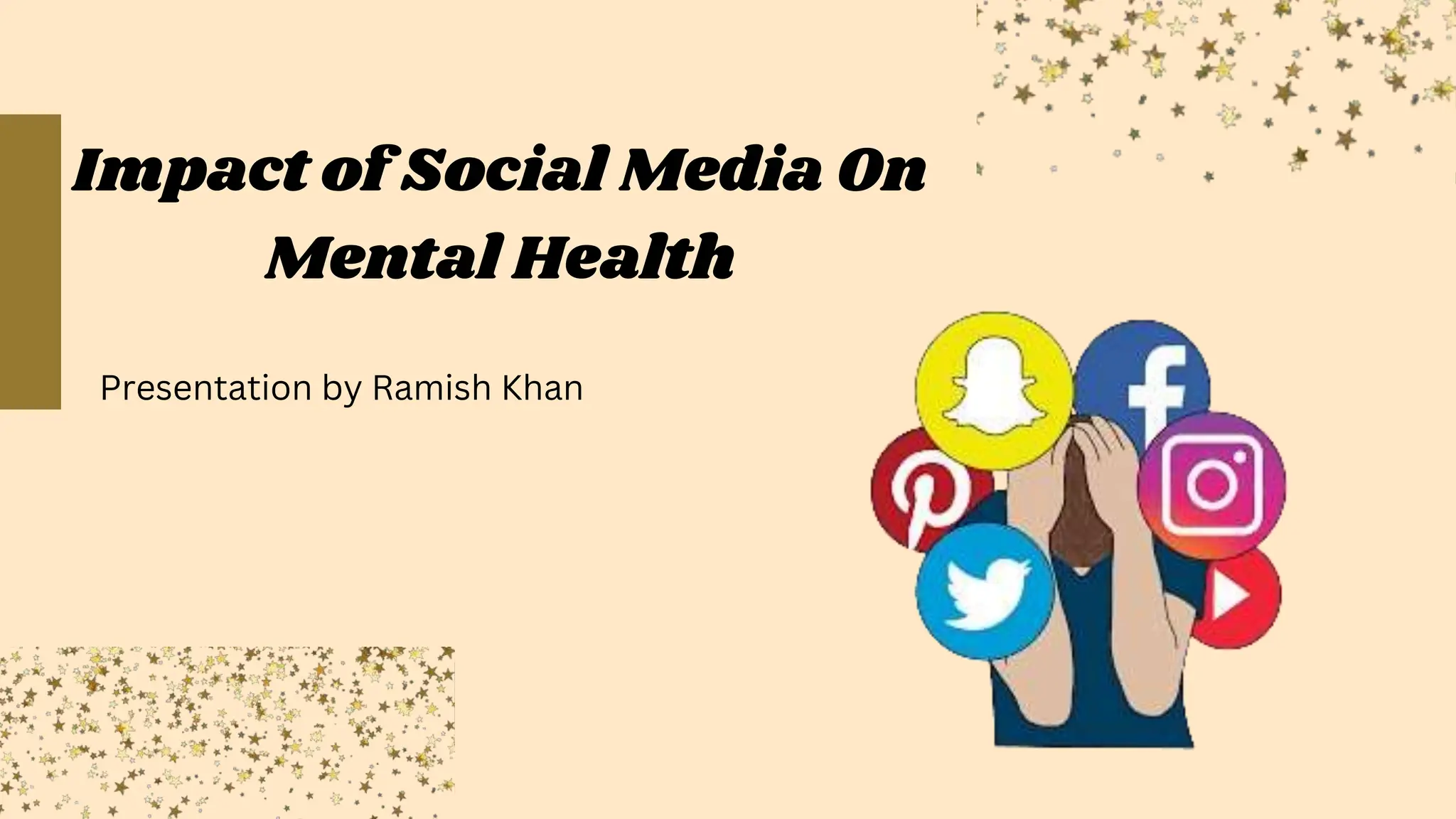
Social media has become an inseparable part of modern life. From scrolling through Instagram reels to checking WhatsApp messages and reading updates on X or Facebook, people spend a significant part of their day online. While social media helps us stay connected and informed, it also raises an important question: how social media impacts mental health. The influence of social media on our thoughts, emotions, and behavior is deep and complex.
This article explores both the positive and negative ways social media affects mental health and offers practical tips to maintain a healthy balance in the digital world.
What Is Social Media and Why Is It So Powerful?
Social media platforms are digital spaces where people create, share, and interact with content. These platforms are designed to grab attention, encourage engagement, and keep users coming back. Understanding how social media impacts mental health begins with recognizing its psychological influence.
Likes, comments, shares, and notifications trigger dopamine in the brain, creating a sense of reward. Over time, this can shape habits, emotions, and even self-worth.
The Positive Side: How Social Media Can Support Mental Health
While much focus is placed on the negative effects, it’s important to understand that how social media impacts mental health also includes positive aspects.
1. Staying Connected With Others
Social media helps people stay connected with friends, family, and communities, especially those living far apart. For many individuals, these connections reduce feelings of loneliness and isolation.
2. Access to Mental Health Awareness
Platforms are widely used to spread awareness about mental health issues. Educational posts, expert advice, and personal stories help normalize conversations around anxiety, depression, and self-care.
3. Emotional Support and Community
Online support groups provide a safe space for people to share experiences and feel understood. This shows that how social media impacts mental health is not always negative—it can foster empathy and belonging.
The Negative Side: How Social Media Impacts Mental Health
Despite its benefits, excessive or unhealthy use of social media can negatively affect mental well-being. Understanding these risks is essential.
Comparison and Low Self-Esteem
One of the most common issues linked to social media is comparison. Users often compare their lives to the highlight reels of others. This unrealistic comparison plays a major role in how social media impacts mental health.
People may feel:
-
Inadequate or unsuccessful
-
Dissatisfied with their appearance
-
Pressured to live a “perfect” life
Over time, this can lower self-esteem and confidence.
Anxiety and Constant Pressure
Social media creates pressure to stay updated, reply instantly, and maintain an online image. This constant stimulation increases anxiety levels. The fear of missing out (FOMO) is another major factor in how social media impacts mental health.
Users may feel restless, stressed, or overwhelmed when they are not online or when their content does not receive expected attention.
Depression and Emotional Burnout
Excessive social media usage has been linked to symptoms of depression. Endless scrolling, negative news, and online negativity can drain emotional energy. This clearly highlights how social media impacts mental health when boundaries are not maintained.
Spending too much time online can replace real-life interactions, leading to emotional isolation and sadness.
Sleep Disturbances and Mental Fatigue
Late-night scrolling affects sleep quality. Blue light exposure and mental stimulation delay sleep, leading to fatigue and irritability. Poor sleep is a major contributor to mental health issues, further explaining how social media impacts mental health in daily life.
Lack of proper rest affects mood, focus, and emotional control.
Cyberbullying and Online Harassment
Cyberbullying is a serious concern, especially among teenagers and young adults. Negative comments, trolling, and online abuse can deeply affect emotional well-being. This is one of the most harmful ways how social media impacts mental health.
Victims of cyberbullying may experience:
-
Anxiety and fear
-
Depression
-
Social withdrawal
In severe cases, it can lead to long-term psychological trauma.
Addiction and Loss of Focus
Social media addiction reduces attention span and productivity. Constant notifications and scrolling habits make it difficult to concentrate on important tasks. This addictive behavior strongly influences how social media impacts mental health, leading to frustration and lack of control.
Over time, users may feel mentally exhausted and unmotivated.
How Social Media Impacts Mental Health in Students and Youth
Young people are particularly vulnerable to the effects of social media. Students often face academic pressure along with online expectations. Understanding how social media impacts mental health among youth is critical.
Negative effects include:
Reduced concentration in studies
-
Increased peer pressure
-
Body image issues
-
Fear of online judgment
Balanced usage is essential for students to protect their mental health.
Signs That Social Media Is Affecting Mental Health
Recognizing early signs helps prevent long-term damage. Some common indicators include:
-
Feeling anxious after using social media
-
Constant comparison with others
-
Mood changes linked to online interactions
-
Trouble sleeping due to screen time
These signs clearly reflect how social media impacts mental health when usage becomes excessive.
Healthy Ways to Use Social Media
Understanding how social media impacts mental health also means learning how to use it mindfully.
1. Set Time Limits
Limit daily screen time to reduce mental overload.
2. Follow Positive Content
Unfollow accounts that trigger negativity or comparison. Choose content that inspires and educates.
3. Take Digital Breaks
Regular breaks from social media help refresh the mind and reduce stress.
4. Prioritize Real-Life Connections
Face-to-face interactions are essential for emotional well-being.
5. Be Mindful of Emotions
Notice how social media makes you feel and adjust usage accordingly.
Role of Parents and Educators
Parents and teachers play a crucial role in guiding young users. Educating children about how social media impacts mental health helps them develop healthy digital habits.
Open conversations, screen-time rules, and emotional support create a balanced online environment.
Social Media and Mental Health: Finding the Balance
Social media itself is not the enemy—it’s how we use it that matters. Understanding how social media impacts mental health allows individuals to make conscious choices.
When used responsibly, social media can be a powerful tool for learning, connection, and expression. When misused, it can harm mental peace and self-worth.
Final Thoughts
The discussion around how social media impacts mental health is more relevant than ever. Social media can both support and harm mental well-being depending on usage patterns. Awareness, moderation, and mindfulness are the keys to maintaining a healthy relationship with digital platforms.
By setting boundaries, focusing on real connections, and using social media with intention, individuals can protect their mental health while enjoying the benefits of the online world.