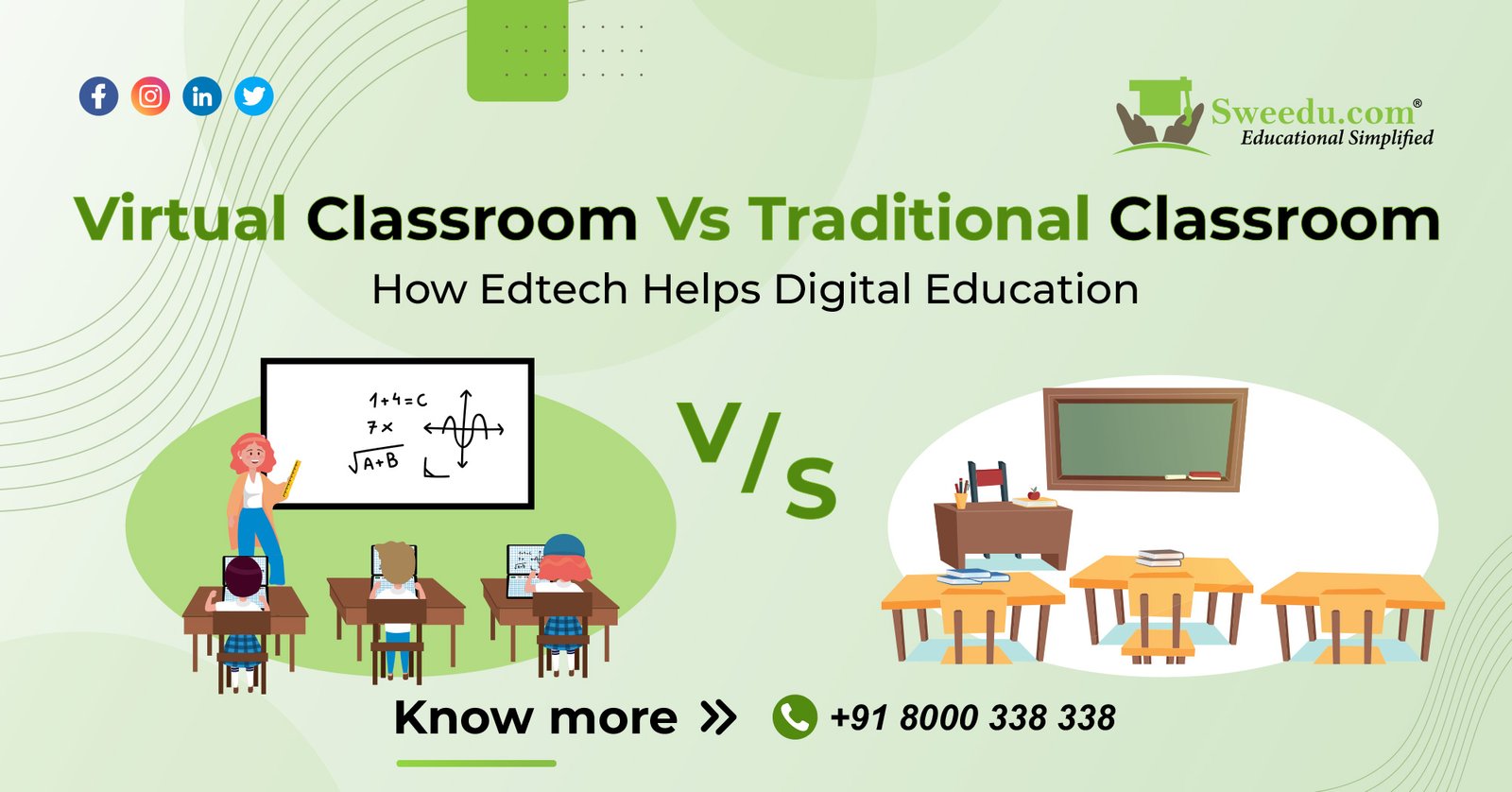
Traditional Education vs Digital Learning: Which Is Better for Modern Students in 2026
Education has always been the foundation of personal growth and social development. Over the years, the way we learn has changed dramatically. For centuries, traditional education dominated classrooms with blackboards, textbooks, and face-to-face teaching. Today, digital learning is transforming education through online classes, e-learning platforms, and virtual classrooms.
The debate around Traditional Education vs Digital Learning has become more relevant than ever. Students, parents, and educators are all trying to understand which learning method is more effective in today’s fast-changing world. In this article, we’ll explore both systems in detail, compare their advantages and disadvantages, and help you decide which approach suits modern learners best.
Understanding Traditional Education
Traditional education refers to the conventional classroom-based learning system where students attend physical schools or colleges. This model includes direct interaction between teachers and students, fixed schedules, printed books, and structured assessments.
Key Features of Traditional Education
-
Classroom-based learning
-
Face-to-face interaction with teachers
-
Fixed timetables and curriculum
-
Physical textbooks and written exams
-
Group activities and in-person discussions
Traditional education has been the backbone of learning systems across the world for generations. Many people still trust this model because of its discipline, structure, and social environment.
Understanding Digital Learning
Digital learning, also known as online education or e-learning, uses technology and the internet to deliver educational content. Students can attend classes remotely using laptops, tablets, or smartphones.
Key Features of Digital Learning
-
Online classes and video lectures
-
Flexible learning schedules
-
Access to global learning resources
-
Interactive tools like quizzes and multimedia
-
Self-paced learning options
Digital learning has grown rapidly, especially after the global shift toward online education. It has opened new doors for students who previously had limited access to quality education.
Traditional Education vs Digital Learning: A Detailed Comparison
To better understand Traditional Education vs Digital Learning, let’s compare both systems based on important factors.
1. Learning Environment
Traditional education offers a structured classroom environment where students learn in groups. This setup helps students stay disciplined and focused. Being physically present in school also builds a routine.
Digital learning, on the other hand, allows students to learn from anywhere. While this flexibility is beneficial, it requires strong self-discipline. Some students may find it challenging to stay motivated without a classroom setting.
Winner: Depends on the learner’s discipline and learning style.
2. Interaction and Communication
In traditional education, students can directly interact with teachers and classmates. This real-time communication helps clear doubts quickly and builds strong relationships.
Digital learning uses video calls, chats, and discussion forums. While technology enables interaction, it may not fully replace face-to-face communication for all learners.
In the debate of Traditional Education vs Digital Learning, traditional classrooms still hold an edge in personal interaction.
3. Flexibility and Convenience
Flexibility is one of the biggest advantages of digital learning. Students can attend classes anytime and anywhere, making it ideal for working professionals and distance learners.
Traditional education follows fixed schedules, which may not suit everyone. Students must attend classes at specific times and locations.
Winner: Digital learning for flexibility and convenience.
4. Cost and Affordability
Traditional education often involves higher costs, including tuition fees, transportation, uniforms, and physical books.
Digital learning is usually more affordable. Many online courses are low-cost or even free, and students save money on travel and accommodation.
When comparing Traditional Education vs Digital Learning, online education is generally more budget-friendly.
5. Access to Resources
In traditional education, students depend on textbooks and library materials available in their institution.
Digital learning provides access to unlimited online resources, including e-books, research papers, recorded lectures, and global experts.
This makes digital learning more resource-rich and up-to-date.
6. Skill Development
Traditional education focuses more on theoretical knowledge and academic performance. Practical exposure depends on the institution.
Digital learning encourages technical skills, self-learning, and digital literacy. Students become comfortable using technology, which is essential in today’s job market.
In terms of modern skills, digital learning has a clear advantage in the Traditional Education vs Digital Learning comparison.
7. Discipline and Structure
Traditional education offers a fixed structure that helps students develop discipline, time management, and responsibility.
Digital learning requires self-discipline. Without proper guidance, some students may struggle to maintain consistency.
Students who need guidance and routine may perform better in traditional education.
8. Assessment and Evaluation
Traditional education relies on written exams, assignments, and classroom tests. This system is familiar and widely accepted.
Digital learning uses online tests, quizzes, and project-based assessments. While innovative, concerns about fairness and cheating still exist.
Both systems have strengths, but traditional education remains more trusted for formal assessments.
Advantages of Traditional Education
-
Strong teacher-student relationships
-
Better social interaction and teamwork
-
Structured learning environment
-
Recognized degrees and certifications
-
Discipline and routine
Traditional education is especially beneficial for young students who need guidance and personal attention.
Advantages of Digital Learning
-
Flexible and convenient learning
-
Affordable education options
-
Access to global knowledge
-
Self-paced learning opportunities
-
Development of digital and technical skills
Digital learning is ideal for higher education, skill-based courses, and lifelong learners.
Disadvantages of Traditional Education
-
High costs
-
Limited flexibility
-
Less focus on modern skills
-
Geographical limitations
Despite its benefits, traditional education may not suit everyone in today’s digital age.
Disadvantages of Digital Learning
-
Requires strong self-discipline
-
Limited face-to-face interaction
-
Dependence on internet and devices
-
Not suitable for all age groups
Digital learning is powerful, but it is not a one-size-fits-all solution.
Traditional Education vs Digital Learning: Which One Is Better?
The answer to Traditional Education vs Digital Learning depends on individual needs. Both systems have unique strengths and limitations.
-
For school-level education, traditional education provides essential social and emotional development.
-
For higher education and professional skills, digital learning offers flexibility and global exposure.
Many experts believe that a blended learning approach, combining traditional education with digital learning, is the future of education.
The Future of Education
The future is not about choosing between Traditional Education vs Digital Learning, but about integrating both. Schools and universities are already adopting smart classrooms, online resources, and hybrid teaching models.
This balanced approach ensures students receive personal guidance along with technological advantages.
Conclusion
The debate of Traditional Education vs Digital Learning highlights the evolution of education in the modern world. Traditional education offers structure, discipline, and human connection, while digital learning provides flexibility, affordability, and access to global knowledge.
Instead of competing, both systems should complement each other. By combining the strengths of traditional education and digital learning, students can enjoy a richer, more effective learning experience.
In the end, the best education system is one that adapts to the learner’s needs and prepares them for a successful future.