Common Yoga Mistakes Beginners Should Avoid for Safe and Effective Practice
Yoga is one of the best ways to improve physical health, mental peace, and overall well-being. Many people start yoga with great enthusiasm, but beginners often make small mistakes that reduce the benefits or even cause discomfort. Understanding common yoga mistakes beginners should avoid can help you build a safe, enjoyable, and long-lasting yoga practice.
Yoga is not about pushing your body or copying advanced poses. It is about balance, awareness, and consistency. In this article, we will explore the most common yoga mistakes beginners should avoid, why they happen, and how you can correct them easily.
Why Beginners Make Mistakes in Yoga
When starting yoga, beginners are usually excited and motivated. They want quick results like flexibility, weight loss, or stress relief. This rush often leads to incorrect practices. Most common yoga mistakes beginners should avoid happen because of lack of guidance, unrealistic expectations, or misunderstanding what yoga truly is.
The good news is that these mistakes are completely normal—and easy to fix with the right approach.
1. Skipping Warm-Up Before Yoga
One of the most common yoga mistakes beginners should avoid is starting poses without warming up the body. Cold muscles are more prone to strain and injury.
Why it’s a mistake:
-
Increases risk of muscle pull
-
Reduces flexibility
-
Causes stiffness and pain
What to do instead:
Always begin with light stretching, breathing exercises, or simple movements like neck rolls and shoulder rotations. A 5–10 minute warm-up prepares your body for yoga practice.
2. Ignoring Proper Breathing
Breathing is the foundation of yoga, yet improper breathing is among the top common yoga mistakes beginners should avoid.
Why it’s a mistake:
-
Reduces oxygen supply
-
Increases fatigue
-
Limits mental relaxation
What to do instead:
Focus on slow, deep breathing through the nose. Coordinate each movement with your breath. Proper breathing enhances the true benefits of yoga.
3. Trying Advanced Poses Too Early
Many beginners compare themselves to others or follow advanced poses seen online. This is one of the most dangerous common yoga mistakes beginners should avoid.
Why it’s a mistake: 
-
Can cause injuries
-
Creates frustration
-
Breaks confidence
What to do instead:
Start with basic poses and progress gradually. Yoga is a personal journey, not a competition. Master the basics before moving ahead.
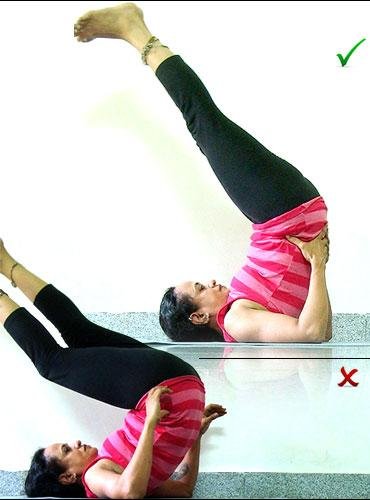
4. Poor Body Alignment
Incorrect posture and alignment are very common yoga mistakes beginners should avoid, especially when practicing without guidance.
Why it’s a mistake:
-
Causes joint and back pain
-
Reduces pose effectiveness
-
Can lead to long-term injuries
What to do instead:
Pay attention to alignment cues. Use mirrors, yoga blocks, or guidance from a teacher or trusted videos to maintain correct posture.
5. Holding Breath During Poses
Many beginners unknowingly hold their breath while focusing on balance or strength. This is another key point in common yoga mistakes beginners should avoid.
Why it’s a mistake:
-
Creates tension
-
Reduces stamina
-
Disrupts mind-body connection
What to do instead:
Breathe smoothly and naturally in every pose. If breathing becomes difficult, ease out of the posture.
\6. Practicing Yoga Irregularly
Inconsistency is one of the silent common yoga mistakes beginners should avoid. Practicing once a week and expecting results leads to disappointment.
Why it’s a mistake:
-
Slows progress
-
Reduces motivation
-
Limits health benefits
What to do instead:
Practice yoga 3–5 times a week, even if it’s just 15–20 minutes. Consistency matters more than duration.
7. Ignoring Body Signals
Forcing your body beyond its limits is among the most harmful common yoga mistakes beginners should avoid.
Why it’s a mistake:
-
Leads to injury
-
Causes muscle pain
-
Creates fear of practice
What to do instead:
Listen to your body. Mild discomfort is normal, but sharp pain is not. Rest whenever needed and respect your body’s limits.
8. Comparing Yourself with Others
Comparison kills confidence and joy. This mental habit is often overlooked in lists of common yoga mistakes beginners should avoid.
Why it’s a mistake:
-
Creates self-doubt
-
Increases stress
-
Distracts from self-growth
What to do instead:
Focus on your own progress. Everyone’s body is different. Yoga is about self-connection, not comparison.
9. Practicing on a Full or Empty Stomach
Wrong timing of meals is another common yoga mistake beginners should avoid.
Why it’s a mistake:
-
Causes discomfort
-
Reduces energy
-
Affects digestion
What to do instead:
Practice yoga on an empty stomach or at least 3–4 hours after a heavy meal. A light snack can be taken if needed.
10. Not Using Props When Needed
Many beginners think using blocks or straps means weakness. This mindset leads to common yoga mistakes beginners should avoid.
Why it’s a mistake:
-
Causes poor alignment
-
Limits flexibility safely
-
Increases injury risk
What to do instead:
Use props as support tools. They help beginners perform poses correctly and safely.
11. Expecting Instant Results
Unrealistic expectations are emotional common yoga mistakes beginners should avoid.
Why it’s a mistake:
-
Leads to frustration
-
Causes quitting early
-
Reduces enjoyment
What to do instead:
Yoga results take time. Improvements in flexibility, strength, and mental peace happen gradually with regular practice.
12. Practicing Without Rest Days
Over-practicing is a less discussed but important point among common yoga mistakes beginners should avoid.
Why it’s a mistake:
-
Causes fatigue
-
Slows muscle recovery
-
Leads to burnout
What to do instead:
Take rest days or practice gentle yoga. Recovery is part of progress.
13. Choosing the Wrong Yoga Style
Not all yoga styles suit beginners. Selecting an advanced style is among common yoga mistakes beginners should avoid.
Why it’s a mistake:
-
Causes physical strain
-
Creates confusion
-
Reduces confidence
What to do instead:
Begin with Hatha Yoga, Gentle Yoga, or Beginner Yoga classes before trying power or hot yoga.
14. Forgetting the Mental Aspect of Yoga
Yoga is not just exercise. Ignoring mindfulness is one of the deeper common yoga mistakes beginners should avoid.
Why it’s a mistake:
-
Limits mental benefits
-
Reduces stress relief
-
Breaks mind-body connection
What to do instead:
Practice mindfulness, meditation, and relaxation along with physical poses.
15. Not Ending with Relaxation
Skipping final relaxation (Shavasana) is one of the most ignored common yoga mistakes beginners should avoid.
Why it’s a mistake:
-
Reduces recovery
-
Causes muscle tension
-
Misses mental calm
What to do instead:
Always end your session with Shavasana for 5–10 minutes to absorb the full benefits of yoga.
How to Avoid These Common Yoga Mistakes Beginners Should Avoid
To avoid common yoga mistakes beginners should avoid, follow these simple tips:
-
Learn from trusted sources
-
Practice slowly and mindfully
-
Focus on breathing
-
Be patient with yourself
-
Maintain consistency
These habits ensure safe and enjoyable yoga practice.
Benefits of Correct Yoga Practice for Beginners
When beginners avoid these mistakes, yoga becomes:
-
Safer
-
More effective
-
Mentally calming
-
Physically rewarding
Avoiding common yoga mistakes beginners should avoid helps you experience yoga in its true form.
Conclusion
Understanding common yoga mistakes beginners should avoid is essential for building a strong foundation. Yoga is not about perfection—it’s about awareness, patience, and self-care. By avoiding these mistakes, beginners can enjoy yoga safely and experience long-term physical and mental benefits.
Start slow, breathe deeply, listen to your body, and remember that yoga is a lifelong journey. With the right approach, yoga can become one of the most positive habits in your life.